

Contouring Made Simple: Face Shape Guide
Welcome to our guide on contouring made simple! Contouring is a makeup technique that can enhance your natural features and create definition. One key aspect of successful contouring is understanding your face shape. By contouring according to your face shape, you can achieve a more tailored and flattering look. Let’s dive into the different face shapes and how to contour them effectively.
The Basics of Contouring
Before we delve into face shapes, it’s essential to understand the basics of contouring. Contouring involves using a darker shade to create shadows and a lighter shade to highlight areas of your face. The key areas to contour are the hollows of your cheeks, jawline, temples, and sides of your nose. Highlighter is typically applied to the high points of your face, such as the tops of your cheekbones, bridge of your nose, and brow bone.
Identifying Your Face Shape
The first step in effective contouring is identifying your face shape. Common face shapes include round, oval, square, heart, diamond, and long. To determine your face shape, pull your hair back and examine the outline of your face in the mirror. You can also trace the outline of your face on a mirror using lipstick or washable marker to help visualise the shape more clearly.
Round Face
If you have a round face shape with soft curves and a similar width and length, contouring can help add definition. Focus on contouring the sides of your forehead, under your cheekbones, and along your jawline to create the illusion of more angular features.
Oval Face
An oval face shape is considered the most versatile and balanced. You can contour the outer edges of your forehead, under your cheekbones, and along your jawline to enhance your natural features subtly.
Square Face
For those with a square face shape characterised by strong angles and a defined jawline, contouring can soften the features. Focus on contouring the sides of your forehead, jawline, and under your cheekbones to create a more oval appearance.
Heart Face
If you have a heart-shaped face with a wider forehead and a narrower chin, contouring can help achieve balance. Contour the sides of your forehead, under your cheekbones, and along your jawline to create a more symmetrical look.
Diamond Face
A diamond face shape features high cheekbones and a narrow forehead and chin. Contour the temples, under your cheekbones, and along your jawline to soften the angles and highlight your cheekbones.
Long Face
Those with a long face shape can use contouring to add width and create the illusion of a shorter face. Focus on contouring the sides of your forehead, under your cheekbones, and along your jawline to balance the proportions.
Choosing the Right Contouring Products
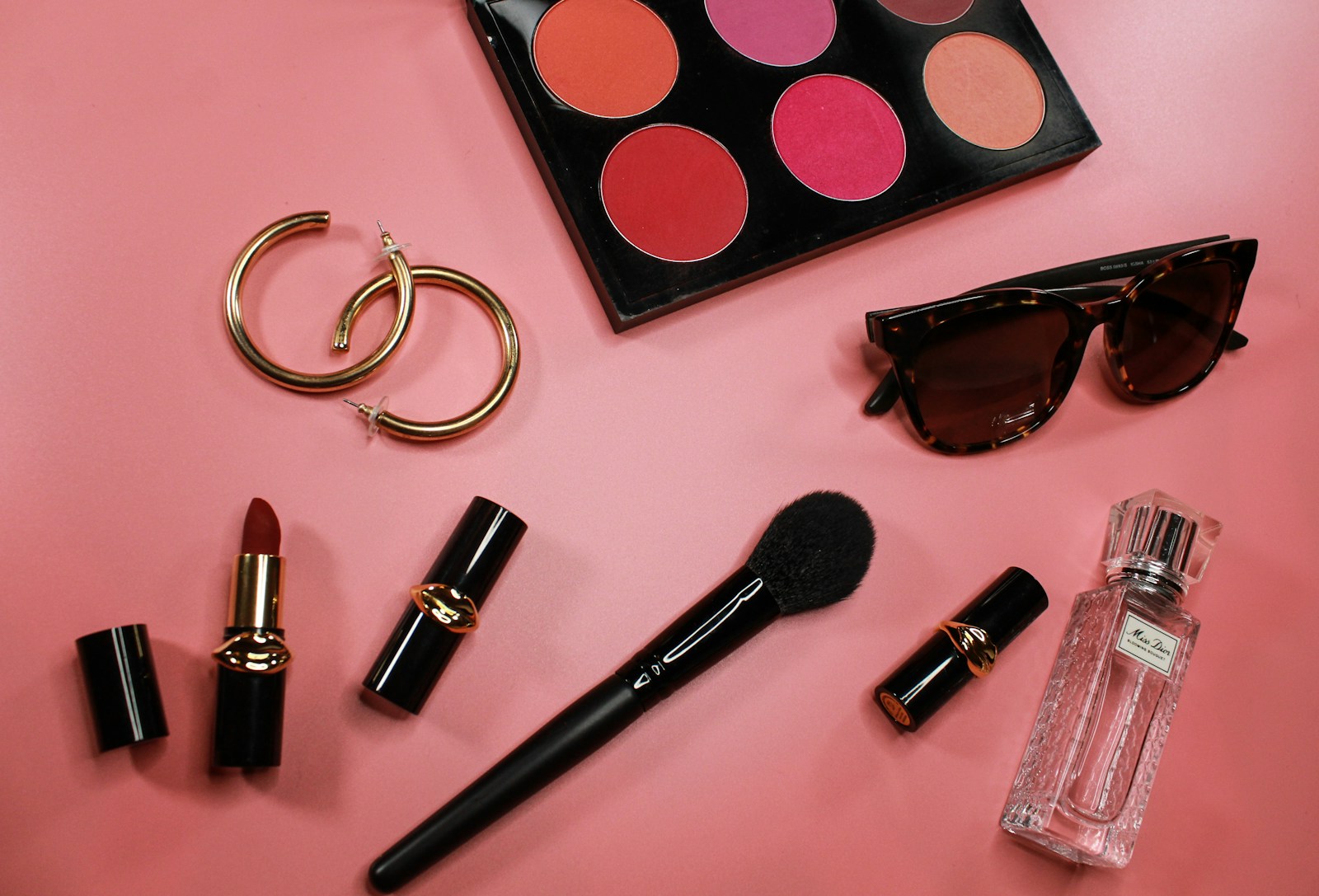
When it comes to contouring, selecting the right products is crucial for achieving a natural look. Opt for matte contour powders or creams that are two shades darker than your skin tone. Avoid using overly shimmery or glittery products for contouring, as they can look unnatural.
Contouring Tips and Tricks
- Blend, blend, blend! Seamless blending is key to a flawless contour.
- Use a light hand when applying contour products to avoid a heavy or muddy look.
- Consider your lighting – contouring for daytime may differ from evening looks.
- Practice makes perfect – don’t be afraid to experiment and find what works best for your face shape.
Conclusion
Understanding your face shape is the foundation for successful contouring. By contouring according to your unique features, you can accentuate your best attributes and achieve a more polished makeup look. Experiment with different techniques and products to find what works best for you, and remember that practice makes perfect. Embrace your natural beauty and have fun exploring the world of contouring!







Leave a Reply