


How Stress Ages Your Skin (and How to Fight It)
Welcome to our women’s lifestyle magazine! Today, we delve into the fascinating connection between stress and skin ageing. Stress is a common part of modern life, but its effects on our skin are often overlooked. Let’s explore how stress impacts your skin and discover practical ways to combat its ageing effects.
The Link Between Stress and Skin Ageing
Stress affects more than just our mental well-being. It can manifest physically, with one of the most noticeable impacts being on our skin. When we experience stress, our body releases cortisol, known as the stress hormone. High levels of cortisol can lead to a range of skin issues, including:
- Accelerated ageing
- Increased inflammation
- Impaired skin barrier function
- Uneven skin tone
Effects of Cortisol on Skin
Cortisol can break down collagen, the protein that keeps our skin firm and elastic. This process can result in fine lines, wrinkles, and sagging skin. Additionally, cortisol triggers inflammation, which can exacerbate conditions like acne, eczema, and psoriasis. The skin’s ability to retain moisture and protect itself from external aggressors also diminishes under prolonged stress, leading to dullness and sensitivity.
Combatting Stress-Induced Skin Ageing
While it’s impossible to eliminate stress entirely, there are effective strategies to minimise its impact on your skin and overall well-being. Here are some tips to help you fight stress-induced skin ageing:
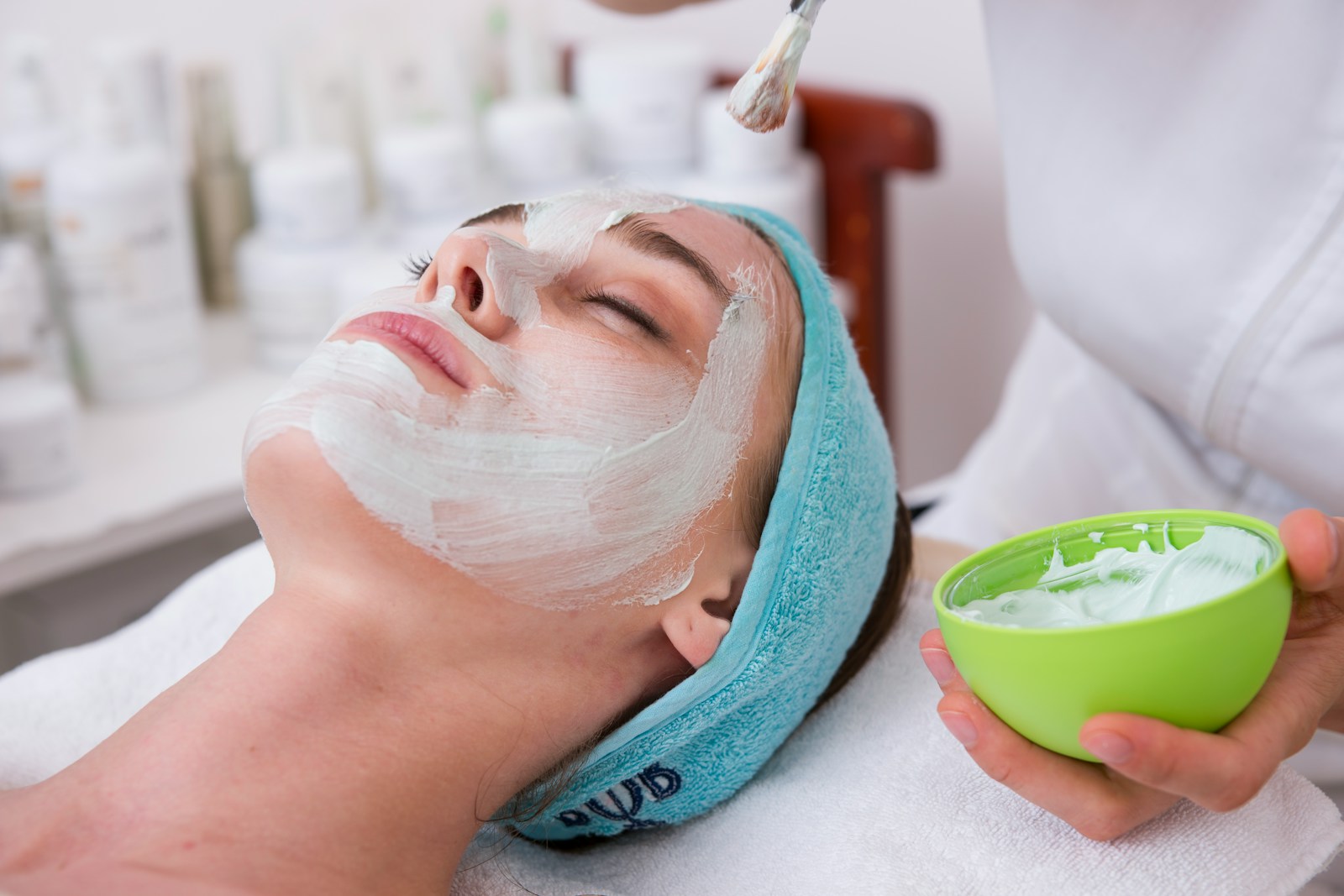
1. Prioritise Skincare
Establish a consistent skincare routine that includes gentle cleansing, hydration, and sun protection. Look for products containing antioxidants like vitamin C and niacinamide, which can help combat free radical damage caused by stress.
2. Practice Stress-Relief Techniques
Explore stress management techniques such as yoga, meditation, deep breathing exercises, or mindfulness. These practices can help lower cortisol levels and promote relaxation, benefiting both your mind and skin.
3. Get Adequate Sleep
Quality sleep is crucial for skin repair and renewal. Aim for 7-9 hours of uninterrupted sleep each night to allow your skin cells to regenerate and recover from daily stressors.
4. Eat a Balanced Diet
Support your skin from the inside out by consuming a diet rich in antioxidants, essential fatty acids, vitamins, and minerals. Include foods like berries, nuts, fatty fish, and leafy greens to nourish your skin and protect it from oxidative stress.
5. Stay Hydrated
Keep your skin hydrated by drinking an adequate amount of water throughout the day. Hydration is key to maintaining skin elasticity and promoting a healthy complexion.
6. Engage in Physical Activity
Regular exercise not only reduces stress but also improves blood circulation, which is vital for delivering nutrients to the skin and promoting a youthful glow. Aim for a mix of cardiovascular and strength-training exercises for optimal skin benefits.
Conclusion
Stress is an inevitable part of life, but its effects on your skin can be managed with the right approach. By prioritising self-care, adopting healthy habits, and seeking support when needed, you can minimise the impact of stress-induced skin ageing and maintain a radiant complexion. Remember, taking care of your skin is not just about external beauty – it’s a reflection of your overall health and well-being.
Stay tuned for more lifestyle tips and beauty insights from our magazine. Take control of your stress levels, and let your skin glow with vitality!





Leave a Reply