


“`html
The Science Behind Layering Your Skincare Products
Skincare is more than just applying cream; it’s a science that requires understanding how different ingredients work together to achieve optimal results. One of the fundamental concepts in skincare is layering, which involves applying products in a specific order based on their molecular size and function. By doing so, you can enhance the effectiveness of each product and ensure that your skin receives the best care possible.
Understanding Skincare Layers
A typical skincare routine consists of several steps: cleansing, toning, moisturising, and applying sunscreen. However, layering goes beyond these basic steps by introducing products at each stage to address specific skin concerns or needs. The science behind layering involves understanding the size of molecules in your products and how they interact with your skin.
Layer 1: Cleanser
Your cleanser is the first step in your routine, designed to remove dirt, oil, and impurities from your skin. Choose a gentle cleanser that suits your skin type to prevent irritation. The goal here is not just cleaning but also preparing your skin for subsequent layers.
Layer 2: Toner
A toner helps restore the pH balance of your skin and remove any remaining impurities from cleansing. It’s particularly useful if you have sensitive skin or want to reduce redness. Some toners also contain active ingredients that can help with specific concerns like acne, dark spots, or dehydration.
Layer 3: Treatment Products
Treatment products are where layering really comes into play. These include serums, essences, and ampoules that contain concentrated active ingredients such as vitamin C, retinol, hyaluronic acid, or peptides. The key is to apply them in a sequence that maximises their effectiveness.
- First Layer: Lighter Molecular Weight – Start with serums or essences that have lighter molecular weights. These can penetrate deeper into the skin and provide hydration and nourishment. For example, hyaluronic acid, a humectant, can attract moisture to your skin.
- Second Layer: Heavier Molecular Weight – Follow with serums or ampoules that have heavier molecular weights. These are designed to stay on the surface of the skin and deliver targeted treatments. For instance, retinol, a Vitamin A derivative, can help with anti-aging by stimulating collagen production.
Layer 4: Moisturiser
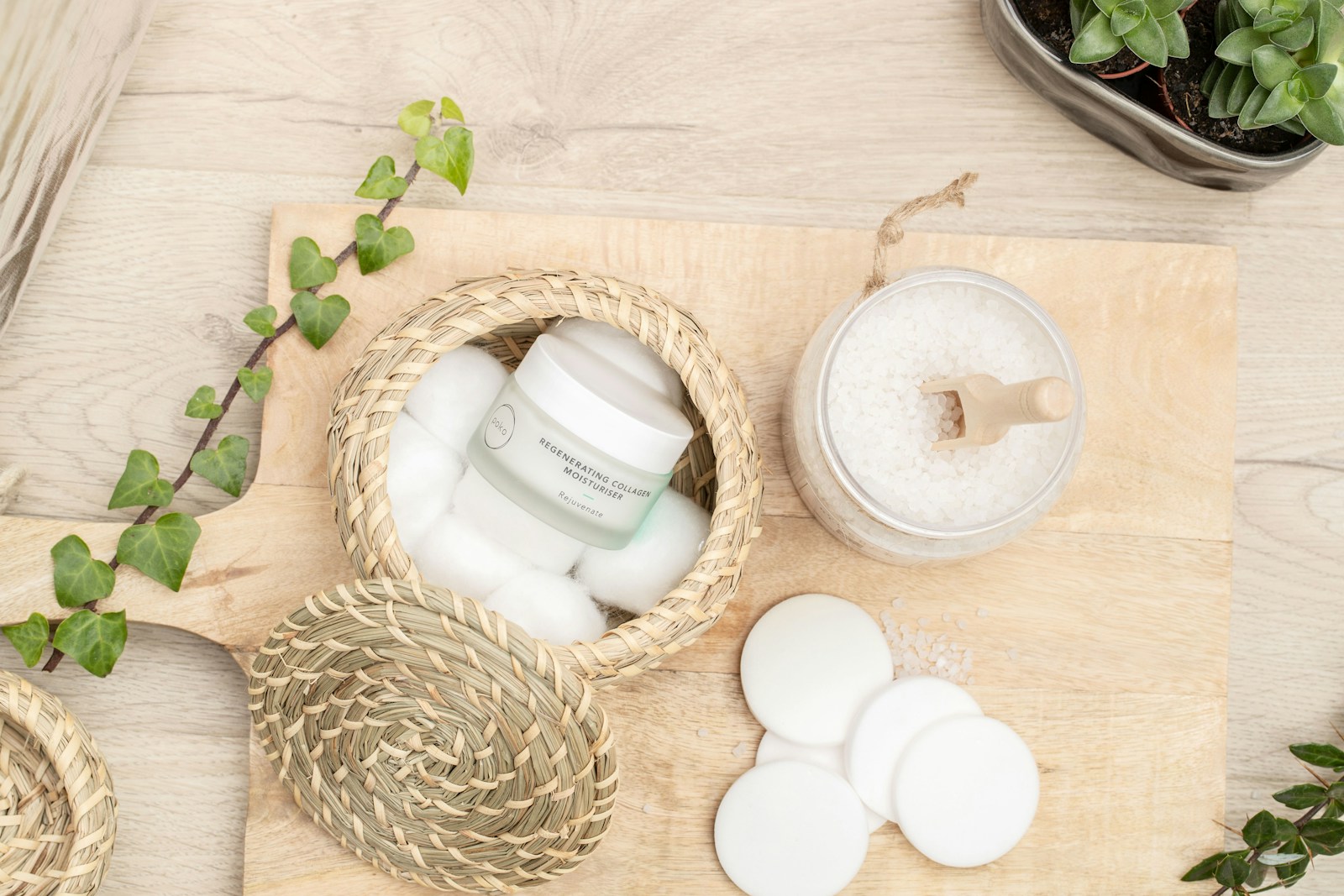
Your moisturiser is crucial for locking in hydration and protecting your skin barrier. Apply it after all your treatment products to ensure that the ingredients are absorbed into the skin, providing a protective layer against environmental stressors.
Layer 5: Sunscreen
No skincare routine is complete without sunscreen, which should be applied every morning and reapplied throughout the day. SPF protects your skin from harmful UV rays that can cause premature aging and increase the risk of skin cancer. Choose a broad-spectrum sunscreen with at least SPF 30.
Considerations for Effective Layering
To get the most out of layering, consider the following:
- Skin Type – Your skin type (oily, dry, combination, sensitive) will dictate which products work best for you. For instance, those with oily skin might want to use lightweight serums, while those with dry skin may benefit from richer formulas.
- Ingredients – Understand the functions of each ingredient and how they interact with others. Avoid using products that contain conflicting ingredients or those that are known irritants for your skin type.
- Consistency – Stick to a consistent routine for best results. The science behind layering relies on regular application, allowing your skin to benefit from the cumulative effects of each product.
Conclusion
Layering your skincare products is not just about applying more creams; it’s about ensuring that each product complements and enhances the others. By understanding the science behind layering, you can create a routine that addresses your specific skin concerns and nurtures your skin for optimal health and appearance.
Remember, your skin is unique, so be patient and observant as you experiment with different products and routines. What works for one person may not work for another, so it’s important to listen to your skin and make adjustments accordingly.
If you’re new to layering or have specific skin concerns, consider seeking advice from a dermatologist or skincare specialist. They can provide personalized guidance and help you choose products that are right for your needs.
“`







Leave a Reply