

“`html
Night Owl’s Guide to PM Skincare That Actually Works
Let’s be honest—there’s something rather magical about those quiet hours past midnight when the world has gone silent and you finally have time to yourself. Whether you’re burning the candle at both ends for work, binge-watching your latest obsession, or simply can’t seem to switch off, being a night owl has its perks. But your skin? It’s probably begging for mercy.
The good news is that a solid evening skincare routine doesn’t require turning in early. What matters is understanding what your skin actually needs during those regenerative night-time hours—and how to give it precisely that, even if your bedtime is closer to sunrise than sunset.
Why Night-Time Skincare Really Matters
Whilst you’re scrolling through social media at 2am, your skin is quietly getting down to business. During sleep (or rest, for those still awake), your body shifts into repair mode. Blood flow increases to the skin, cell turnover accelerates, and collagen production ramps up. It’s essentially a night shift for your complexion.
This is precisely why your PM routine deserves more attention than your morning one. During the day, your skin is in protection mode—fending off UV rays, pollution, and the stress of your commute. At night, it’s all about recovery and regeneration. The products you apply before bed can work undisturbed for hours, penetrating deeper and delivering more noticeable results.
The Science of Skin Circadian Rhythms
Your skin follows a circadian rhythm just like the rest of your body. Research shows that transepidermal water loss increases at night, meaning your skin loses more moisture whilst you sleep. Additionally, skin temperature rises slightly in the evening, which can enhance product absorption but also lead to increased sensitivity.
Understanding this biology helps explain why certain ingredients work better at night—and why your 3am face might look decidedly more lacklustre than your morning reflection.
Building Your PM Skincare Routine: The Essentials
Forget the intimidating ten-step routines you’ve seen on social media. An effective night-time regimen needn’t be complicated—it just needs to be consistent and well-formulated. Here’s the framework that genuinely delivers results.
Step 1: Double Cleansing
If you wear makeup or SPF (and you absolutely should be wearing the latter), a single cleanse simply won’t cut it. The first cleanse removes the surface layer of makeup, sunscreen, and excess sebum, whilst the second actually cleanses your skin.
For night owls: Keep micellar water or a cleansing balm by your desk or sofa. The first cleanse can happen hours before the second—whilst you’re finishing that report or watching one more episode. This prevents that overwhelming “I need to do everything before bed” feeling that often leads to skipping skincare entirely.
Step 2: Treatment Products
This is where the heavy lifting happens. Night-time is ideal for active ingredients that make you photosensitive or work best without UV exposure.
- Retinoids: The gold standard for anti-ageing, retinol and its cousins accelerate cell turnover and boost collagen. Start with a low percentage and use twice weekly, gradually increasing frequency.
- Chemical Exfoliants: AHAs like glycolic and lactic acid slough away dead skin cells, revealing brighter skin underneath. BHAs (salicylic acid) dive deep into pores, making them brilliant for congested skin.
- Vitamin C: Whilst traditionally a morning ingredient, some dermatologists advocate for night-time use when skin can absorb it without UV interference.
Important: Don’t layer retinoids and acids on the same night unless you’re experienced and your skin is well-acclimatised. Alternate them to avoid irritation.
Step 3: Targeted Serums
After treatments have absorbed (give it 10-15 minutes), apply serums targeting your specific concerns:
- Hyaluronic acid for hydration—particularly important for night owls, as sleep deprivation is notoriously dehydrating
- Niacinamide for pore refinement and barrier support
- Peptides for firmness and wrinkle prevention
- Vitamin E for healing and antioxidant protection
Step 4: Eye Cream
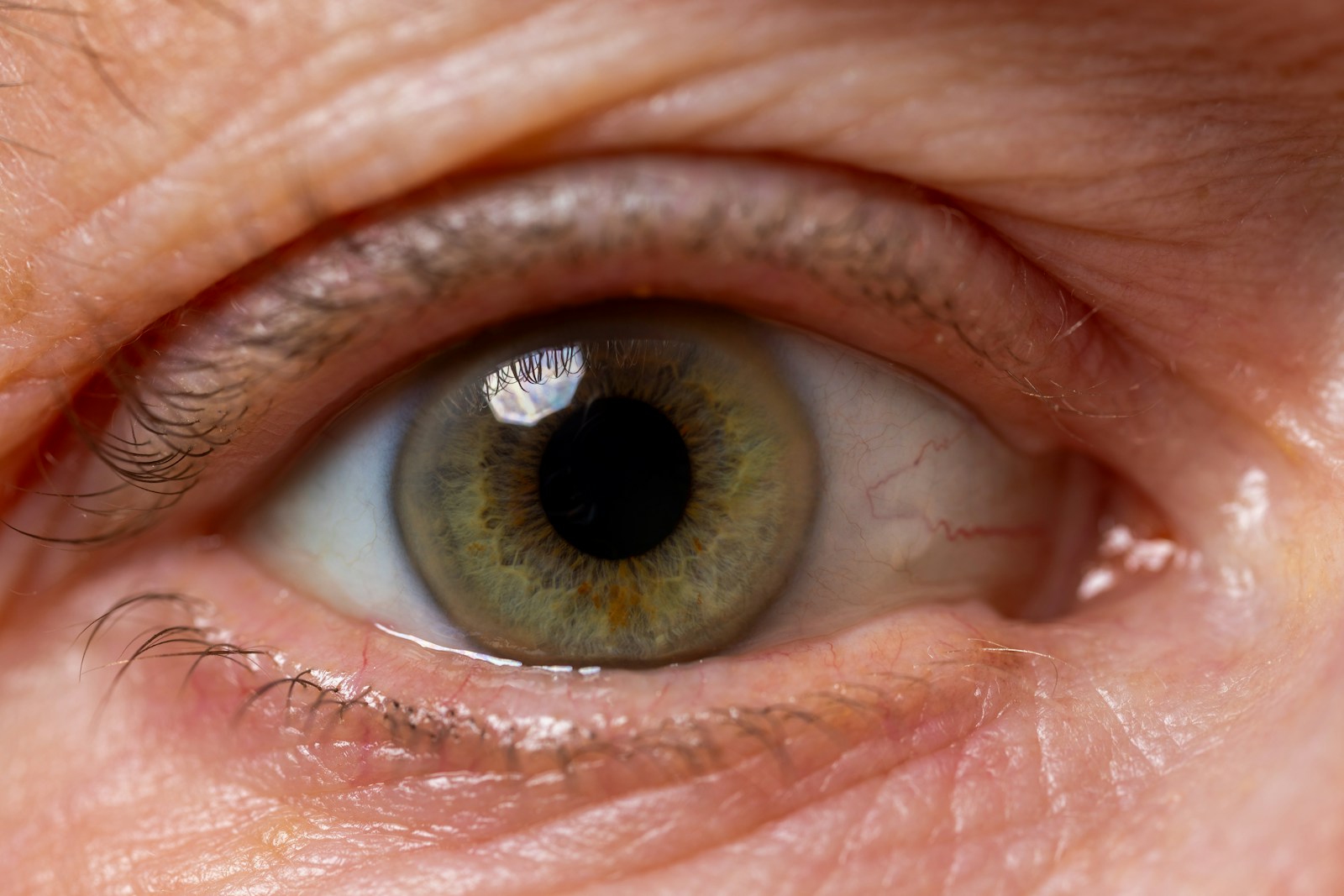
The skin around your eyes is the thinnest on your body and the first to show signs of fatigue. For fellow night owls, an eye cream containing caffeine can help reduce puffiness, whilst peptides target fine lines. Apply with your ring finger—the weakest finger—to avoid tugging delicate skin.
Step 5: Moisturiser or Night Cream
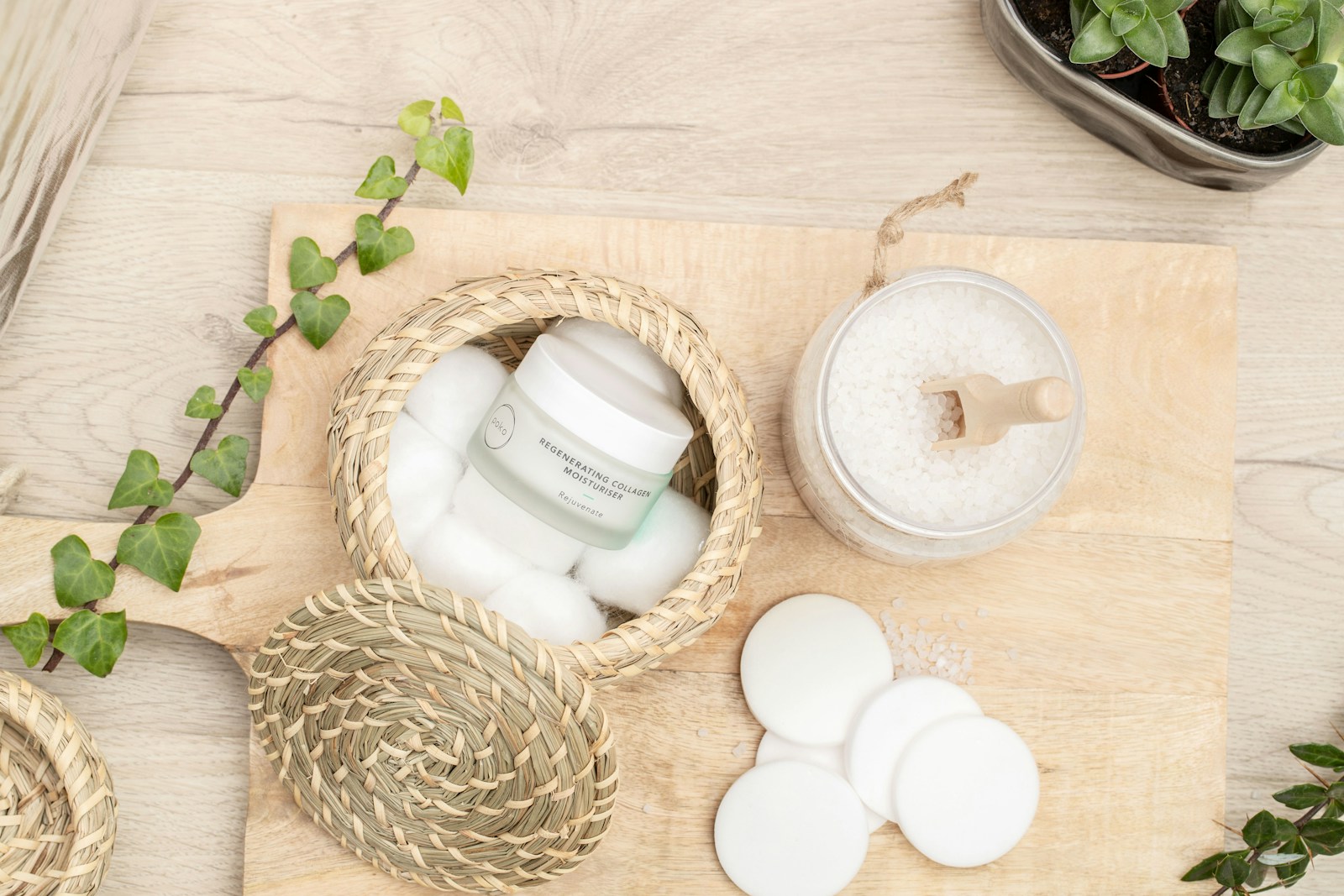
Seal everything in with a moisturiser appropriate for your skin type. Those with dry or mature skin might prefer richer night creams, whilst oily or combination types can opt for lightweight gel formulations. Look for ingredients like ceramides, shea butter, and squalane to support your skin barrier overnight.
Special Considerations for Night Owls
The Blue Light Factor
Here’s something that might make you reconsider that midnight scrolling habit: emerging research suggests blue light from screens may contribute to premature ageing and hyperpigmentation, particularly in deeper skin tones. Whilst the science is still developing, it’s worth considering blue light protection—either through skincare ingredients like antioxidants or, more reliably, by reducing screen time before bed.
Combatting Sleep Deprivation Effects
When you consistently stay up late, your cortisol levels remain elevated, which can break down collagen and lead to inflammation. Your skin becomes more prone to breakouts, dullness, and accelerated ageing. Whilst no cream replaces actual sleep, certain ingredients can help mitigate the damage:
- Adaptogens like ashwagandha and reishi mushroom help skin cope with stress
- Antioxidants neutralise free radicals generated by stress and fatigue
- Overnight masks provide intensive hydration whilst you rest (or don’t rest)
The Emergency 3am Routine
Sometimes, despite best intentions, a full routine feels impossible. For those nights, keep a minimal emergency kit:
- Micellar water for quick cleansing
- A hydrating serum or facial oil
- An eye cream with caffeine
Three products, two minutes, infinitely better than sleeping in your makeup.
Ingredients to Prioritise
Not all skincare ingredients are created equal, especially for those burning the midnight oil. Prioritise:
- Ceramides: Essential for barrier repair, particularly when stress compromises your skin
- Hyaluronic Acid: Binds water to skin, combating the dehydrating effects of fatigue
- Retinol: The most researched anti-ageing ingredient available without prescription
- Niacinamide: Reduces inflammation and supports barrier function
- Squalane: Lightweight, non-comedogenic moisture that suits all skin types
Common Night-Time Skincare Mistakes
Even the most dedicated skincare enthusiasts make errors. Here’s what to avoid:
- Over-exfoliating: More isn’t better. Limit acids to 2-3 times weekly maximum
- Skipping cleansing: One night won’t ruin your skin, but chronic neglect accumulates
- Applying products in the wrong order: Thinnest to thickest ensures proper penetration
- Ignoring your neck and décolletage: These areas show age just as readily as your face
- Using expired products: Active ingredients degrade over time, and bacteria multiply
Final Thoughts
Being a night owl doesn’t mean resigning yourself to tired, dull skin. What matters is consistency, the right ingredients, and realistic expectations. Your skin can absolutely thrive even with unconventional sleeping habits—provided you give it the support it needs during those crucial regeneration hours.
Start simple: cleanse thoroughly, treat thoughtfully, moisturise adequately. Build from there as your skin—and your routine—becomes more comfortable. And perhaps, just perhaps, consider swapping that final hour of scrolling for some actual rest. Your future complexion will thank you.
Remember, the best skincare routine is one you’ll actually follow. Whether that’s at 10pm or 3am, consistency trumps perfection every time.
“`








Leave a Reply