

“`html
Double Cleansing: Is It Worth the Hype?
If you have spent any time scrolling through skincare TikTok or reading beauty blogs lately, you have undoubtedly come across the term double cleansing. What started as a closely guarded secret of K-Beauty enthusiasts has exploded into a global phenomenon, promising the kind of clear, glass-like skin that seems unattainable for most of us juggling busy lives and city pollution.
But with our bathroom shelves already groaning under the weight of serums, moisturisers, and retinols, do we really need to add another step to our evening routine? Is washing your face twice simply overkill, or is it the missing link between you and your best skin yet?
Grab a cup of tea, settle in, and let’s dive into the sudsy world of double cleansing to see if it truly deserves the hype.
What Exactly is Double Cleansing?
Originating in Asia, double cleansing is exactly what it sounds like: washing your face in two distinct steps using two different types of cleansers. It isn’t about scrubbing your face raw; it is about chemistry.
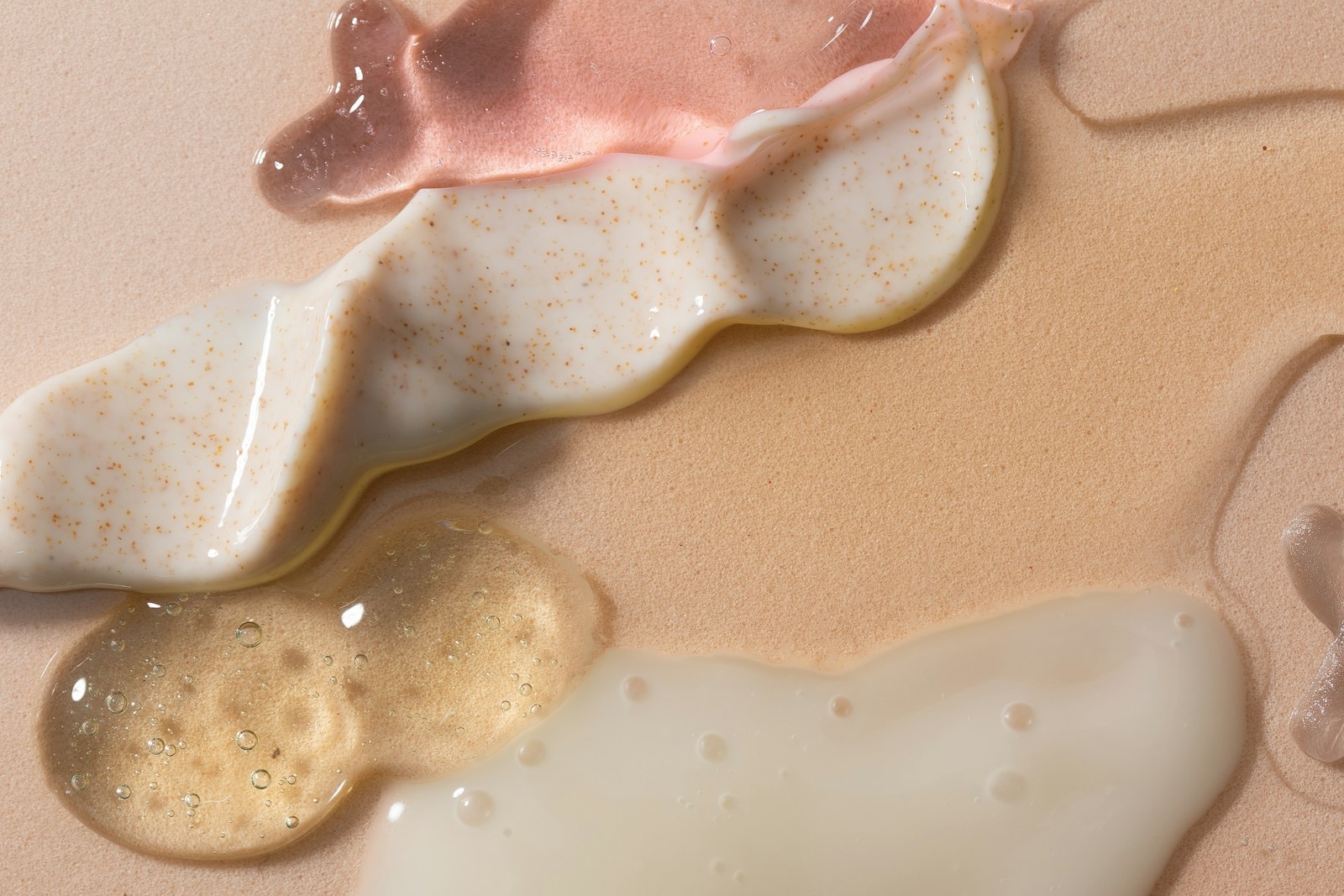
The concept relies on the principle that like dissolves like. The first step usually involves an oil-based cleanser (such as a cleansing balm, oil, or micellar water), which targets oil-based debris. The second step involves a water-based cleanser (a gel, foam, or cream), which targets water-based debris.
The Science Behind the Suds
Throughout the day, your skin accumulates a layer of “grime” that is largely oil-soluble. This includes sebum (your natural skin oil), SPF, pollution particles, and heavy makeup. If you use a standard water-based face wash on its own, it often struggles to cut through this oily barrier effectively. It’s rather like trying to wash a greasy frying pan with just water—you need soap or oil to break down the grease first.
By using an oil-based product first, you lift the stubborn, oily debris. Once that is gone, your water-based cleanser can actually reach your pores to remove sweat, dirt, and bacteria, leaving the skin truly clean without aggressive scrubbing.
The Undeniable Benefits
So, why should you consider dedicating an extra two minutes to your evening skincare routine? The benefits go beyond just removing mascara.
- Proper SPF Removal: We all know we should wear sunscreen daily, but modern formulas are designed to be tenacious. They stick to the skin to protect it, meaning a quick splash of water won’t budge them. Double cleansing ensures that every trace of UV filters is removed, preventing clogged pores.
- Decongested Pores: If you suffer from blackheads or closed comedones (those tiny bumps under the skin), double cleansing can be a game-changer. By thoroughly removing sebum, you prevent it from oxidising and turning into blackheads.
- Better Product Absorption: If you are investing in expensive serums, you want them to work. Applying active ingredients on top of a layer of dirt and oil blocks absorption. A clean canvas allows your retinol, Vitamin C, or hyaluronic acid to penetrate deeper and work harder.
- Gentle Exfoliation: Because the first step dissolves the “glue” holding dead skin cells and dirt together, you often find you need fewer physical exfoliants, reducing irritation.
Who Should Be Double Cleansing?
While double cleansing is beneficial for most, it isn’t strictly necessary for everyone. Here is how to decide if it fits your lifestyle and skin type.
The Ideal Candidate
If you live in a city, wear heavy makeup, or never leave the house without SPF, double cleansing is practically non-negotiable. It is also excellent for those with oily or combination skin who feel that their face never looks truly “clean” after one wash.
A Note for Dry and Sensitive Skin
If you suffer from eczema, rosacea, or extremely dry skin, you might worry that washing twice will strip your moisture barrier. However, it is all about product choice. The first oil step actually adds hydration and nourishment. The key is choosing a non-foaming, creamy second cleanser that won’t strip your natural oils. Avoid harsh sulphates and look for ingredients like ceramides and glycerin.
How to Double Cleanse: A Step-by-Step Guide
Ready to give it a go? Here is the perfect evening protocol to get you started.
Step 1: The Oil Phase
Start with dry hands and a dry face. This is crucial—water stops oil cleansers from grabbing onto the makeup and sebum effectively.
- Take a generous amount of your cleansing balm or oil (about the size of a 20p coin).
- Massage it gently into your skin for at least 60 seconds. Really work it into the hairline and jawline where makeup collects.
- If you are wearing waterproof mascara, hold the oil on your lashes for a few seconds before massaging.
- Rinse thoroughly with lukewarm water or use a damp flannel to wipe away the residue. Your skin should feel soft, not tight.
Step 2: The Water Phase
Now that the surface debris is gone, it is time for the deep clean.
- Wet your face with lukewarm water. Hot water is too drying; cold water won’t dissolve the cleanser effectively.
- Apply your water-based cleanser (gel for oily skin, cream for dry skin).
- Massage again for 30 to 60 seconds to let the ingredients








Leave a Reply