
“`html
Postpartum Hair Loss: What to Expect
Introduction
Bringing a new life into the world is a joyous experience, but for many women, the postpartum period can bring unexpected challenges. One common issue that new mothers face is postpartum hair loss. Understanding why this happens and how to deal with it can help you navigate this phase with confidence.
Why Does Postpartum Hair Loss Occur?
During pregnancy, elevated hormone levels can prolong the growth phase of your hair, leading to thicker, more luscious locks. However, once you give birth, hormone levels drop rapidly, causing a higher percentage of hair follicles to enter the resting phase. This shift in the hair growth cycle results in increased shedding, which is known as postpartum hair loss.
When Does Postpartum Hair Loss Typically Start?
Postpartum hair loss usually begins around three months after giving birth and can continue for several months. While it can be alarming to see clumps of hair in your brush or shower drain, it’s essential to remember that this is a temporary phase, and your hair will eventually return to its normal cycle.
Tips for Managing Postpartum Hair Loss
1. Maintain a Healthy Diet
Eating a balanced diet rich in vitamins and minerals can support hair growth and overall health. Focus on foods high in iron, zinc, and biotin, which are essential for strong, healthy hair.
2. Be Gentle with Your Hair
Avoid harsh brushing, tight hairstyles, or excessive heat styling, as these can further damage fragile postpartum hair. Opt for gentle detangling techniques and use heat protectant products when styling.
3. Consider a New Hairstyle
Shorter hairstyles or layers can help create the illusion of fuller hair while you wait for regrowth. Consult with your hairstylist for a cut that suits your hair type and face shape.
4. Use Nourishing Hair Products
Choose shampoos, conditioners, and treatments specifically formulated to strengthen and nourish your hair. Look for products containing ingredients like biotin, keratin, and vitamins for added support.
5. Practice Self-Care
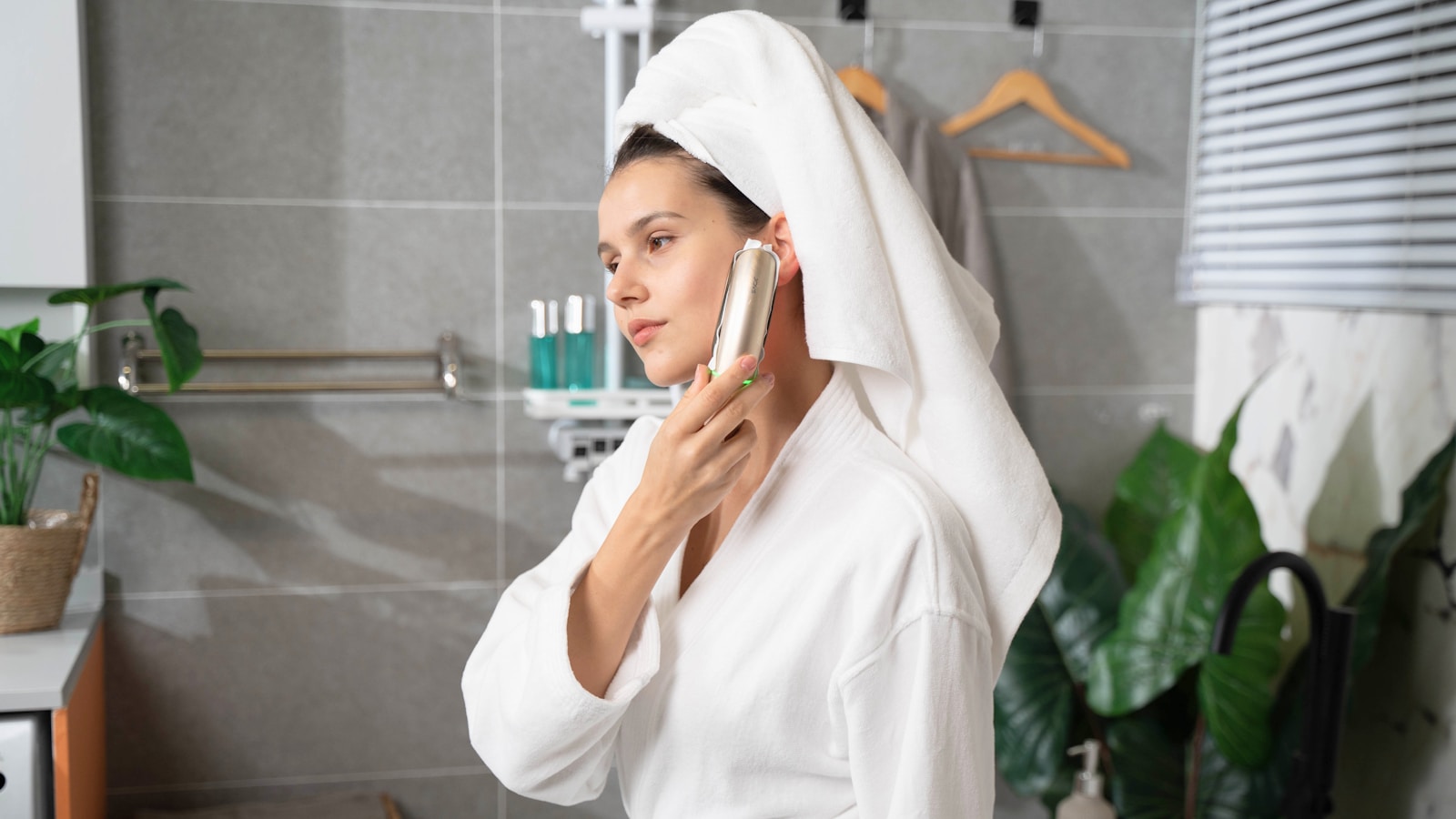
Managing postpartum hair loss can be stressful, so remember to take time for self-care activities that help reduce stress levels. Whether it’s yoga, meditation, or a relaxing bath, prioritise activities that promote relaxation and well-being.
Conclusion
While postpartum hair loss can be a challenging experience, it’s essential to remember that it is a common and temporary phase. By understanding why it occurs and implementing practical tips to manage it, you can navigate this period with confidence and grace. Remember to prioritise self-care and be patient with your hair as it regains its natural rhythm.
“`

Leave a Reply