


The Truth About Mica in Clean Beauty
Welcome to our deep dive into the world of clean beauty! Today, we’re going to uncover the truth about mica – a popular ingredient in many beauty products. Let’s explore what mica is, its benefits, potential concerns, and how to make informed choices when it comes to using mica in your beauty routine.
What is Mica?
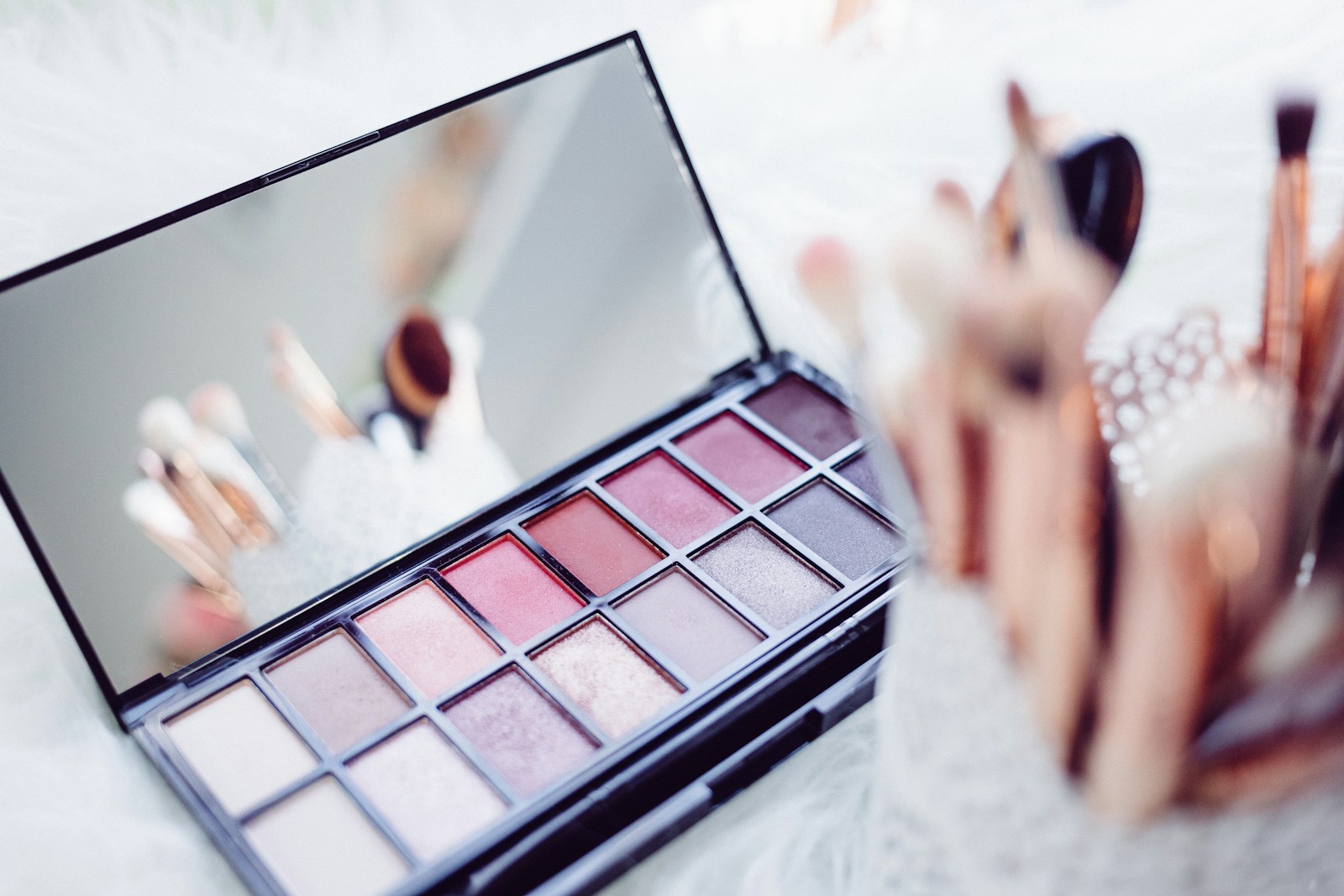
Mica is a naturally occurring mineral known for its shimmering and reflective properties. It is commonly used in cosmetics to add a sparkly or glowing effect to products like eyeshadows, highlighters, and blushes. Mica is a versatile ingredient that can create a range of finishes, from subtle sheens to bold glitters.
The Benefits of Mica in Beauty Products
One of the key benefits of mica is its ability to provide a luminous and radiant finish to makeup. It can enhance the overall look of the skin, giving it a healthy and vibrant appearance. Mica is also lightweight and finely milled, making it easy to blend and layer for a customised makeup look.
Is Mica Safe?
While mica itself is considered safe for cosmetic use, there are concerns about the mining practices associated with its extraction. In some regions, mica mining involves child labour and unsafe working conditions. To ensure the mica used in beauty products is ethically sourced, look for brands that support responsible mining practices and transparent supply chains.
How to Choose Clean Beauty Products with Mica
When shopping for clean beauty products that contain mica, here are some tips to help you make informed choices:
- Look for brands that disclose the source of their mica and prioritise ethical and sustainable practices.
- Check for certifications like Fair Trade or Ethical Mica to ensure the mica used is sourced responsibly.
- Avoid products that use terms like “natural” or “clean” without providing transparent information about their mica sourcing.
- Consider supporting indie brands that are committed to ethical sourcing and transparency.
DIY Beauty: Making Your Own Mica-Free Products
If you’re concerned about using mica in your beauty products, you can explore DIY alternatives. Here are some simple recipes for creating your own mica-free makeup:
- Homemade Lip Balm: Combine beeswax, shea butter, and coconut oil for a nourishing lip balm without mica.
- Natural Blush: Mix arrowroot powder with beetroot powder for a customisable blush that adds a rosy glow to your cheeks.
- Glowing Highlighter: Blend arrowroot powder with a touch of gold or silver mica-free shimmer for a radiant highlight.
Conclusion
As consumers, we have the power to make conscious choices when it comes to the beauty products we use. By understanding the origins of ingredients like mica and supporting brands that prioritise ethical sourcing, we can contribute to a more sustainable and responsible beauty industry. Remember, clean beauty goes beyond just the products – it’s about the values and practices behind them.



Leave a Reply