


How to Layer Rugs Like a Pro
Welcome to our guide on how to layer rugs like a pro! Layering rugs is a fantastic way to add depth, texture, and personality to a room while also creating a cosy and inviting atmosphere. Whether you want to mix patterns, add warmth, or define separate areas within a space, rug layering can elevate your home decor to the next level. Let’s dive into the art of layering rugs!
1. Start with the Base Rug
The first step in layering rugs is to choose a base rug that will serve as the foundation for your layered look. Opt for a larger rug that fits the size of your seating area or the room itself. A neutral or solid-coloured rug works well as a base, providing a versatile backdrop for the additional layers.
Tip:
- Ensure that the base rug is big enough to anchor the furniture in the room.
- Consider the shape of the room and the furniture arrangement when selecting the base rug.
2. Add a Smaller Rug on Top
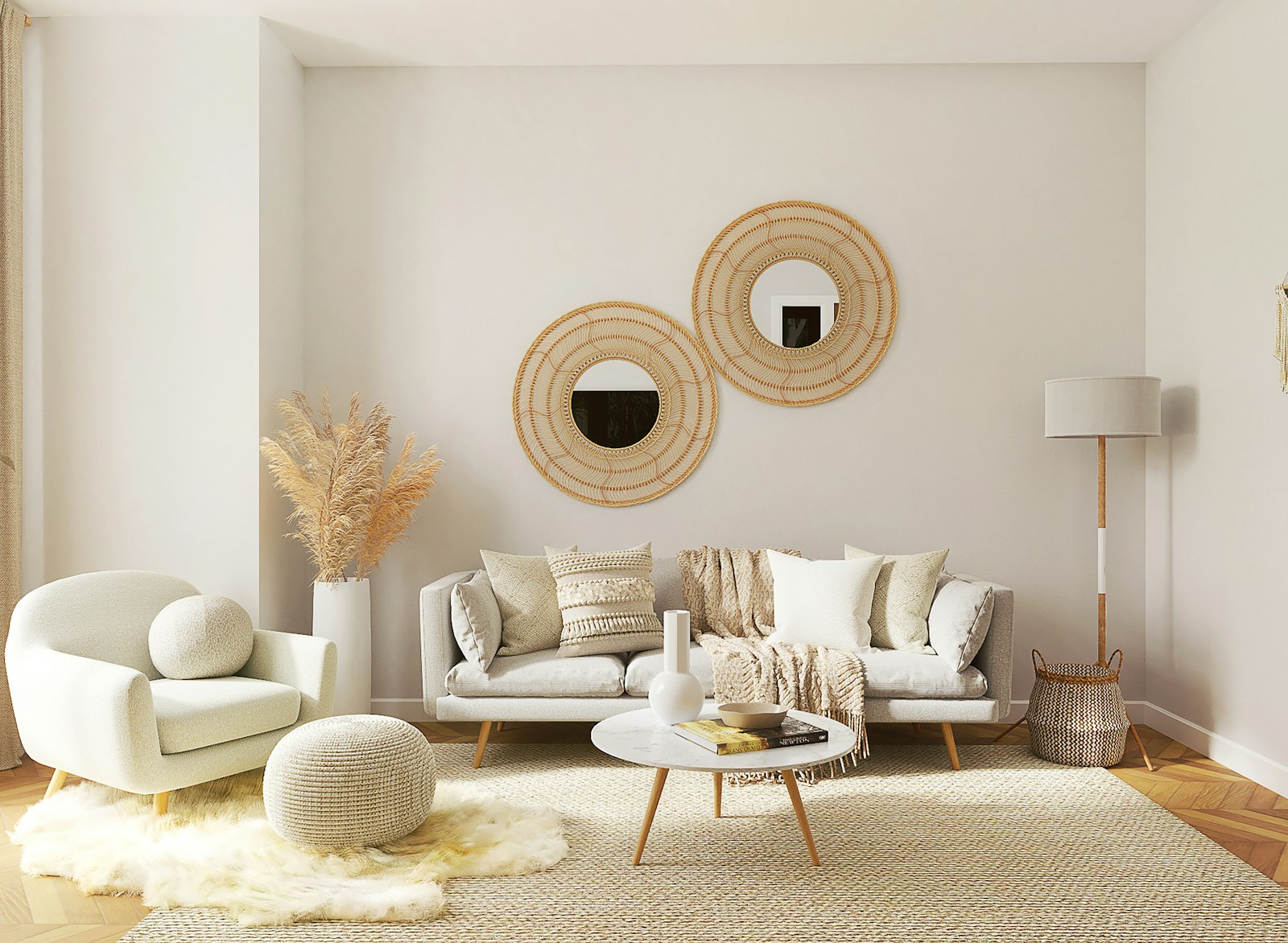
Once you have your base rug in place, it’s time to add a smaller rug on top to create visual interest and dimension. This second rug can be a different shape, texture, or pattern to complement the base rug. Play around with various combinations to find a look that suits your style and the overall aesthetic of the room.
Tip:
- Choose a smaller rug that contrasts or complements the colour of the base rug for a cohesive look.
- Experiment with different textures like sheepskin, jute, or faux fur to add depth to the layered effect.
3. Mix Patterns and Textures
Don’t be afraid to mix patterns and textures when layering rugs. Mixing a geometric pattern with a floral design or a shaggy rug with a flatweave rug can create a visually dynamic and engaging space. Just make sure to balance bold patterns with more subtle ones to avoid overwhelming the room.
Tip:
- Consider the existing decor and colour scheme of the room when choosing patterns and textures for your layered rugs.
- Use a mix of high and low pile rugs to create a tactile and inviting atmosphere.
4. Define Separate Areas
Rug layering is an excellent way to define separate areas within a larger space, such as a living room with an open floor plan or a bedroom with a reading nook. By using different rugs to delineate specific areas, you can create distinct zones for different activities while maintaining a cohesive look throughout the room.
Tip:
- Use a larger rug to define the main seating area and a smaller rug to highlight a specific corner or space within the room.
- Ensure that there is enough space between the layered rugs to create a clear visual separation.
5. Play with Rug Placement
Get creative with rug placement when layering rugs in your home. Try placing a small rug partially under a piece of furniture, such as a coffee table or bed, to anchor the space and create a cohesive look. You can also experiment with diagonal or angled placements to add interest and movement to the room.
Tip:
- Consider the traffic flow in the room when positioning your layered rugs to ensure they are both functional and visually appealing.
- Layering rugs at different angles can help break up the monotony of a square or rectangular room.
6. Don’t Forget Rug Pads
When layering rugs, it’s essential to use rug pads to keep the rugs in place and prevent slipping or shifting. Rug pads also help protect your floors and extend the life of your rugs by providing cushioning and support. Make sure to choose rug pads that are suitable for the type of flooring you have and the size of your rugs.
Tip:
- Select rug pads that are slightly smaller than your rugs to keep them hidden from view.
- Choose non-slip rug pads for smooth surfaces like hardwood or tile floors, and felt rug pads for carpeted areas.
Conclusion
Layering rugs is a fun and creative way to enhance your home decor and express your personal style. By following these tips and tricks, you can master the art of rug layering like a pro and transform any room into a stylish and inviting space. Experiment with different combinations, patterns, and textures to discover a layered look that suits your taste and elevates your interior design game!



Leave a Reply