


How to Exercise Safely During Pregnancy
Welcome to the exciting journey of pregnancy! Staying active during this time is vital for both your physical and mental well-being. However, it’s crucial to exercise safely and effectively to ensure the health of you and your baby. In this guide, we’ll explore how you can maintain a safe and beneficial exercise routine throughout your pregnancy.
1. Consult Your Healthcare Provider
Before starting any exercise routine during pregnancy, it’s essential to consult your healthcare provider. They can provide personalised advice based on your health status and any pregnancy-related complications. Your doctor can guide you on the types of exercises that are safe for you and those that should be avoided.
2. Choose Suitable Pregnancy Exercises
During pregnancy, it’s best to focus on low-impact exercises that are gentle on your body. Suitable options include:
- Walking
- Swimming
- Pilates
- Yoga
- Prenatal aerobics
These exercises help improve circulation, strengthen your muscles, and support your overall well-being without putting excessive strain on your joints.
3. Listen to Your Body
Pay attention to your body’s signals during exercise. If you feel any discomfort, dizziness, or pain, stop immediately. Remember that pregnancy hormones can make your joints more flexible, so be cautious with movements that require balance or sudden changes in direction.
4. Stay Hydrated and Well-Nourished
Drink plenty of water before, during, and after your workout sessions to stay hydrated. Additionally, ensure you have a snack rich in carbohydrates and protein before exercising to maintain your energy levels. Listen to your hunger cues and fuel your body appropriately.
5. Avoid Certain Exercises
While staying active is important, there are some exercises you should avoid during pregnancy, including:
- High-impact activities like running or jumping
- Exercises lying flat on your back after the first trimester
- Activities with a high risk of falling or injury
- Exercises that involve holding your breath or straining excessively
6. Wear the Right Gear
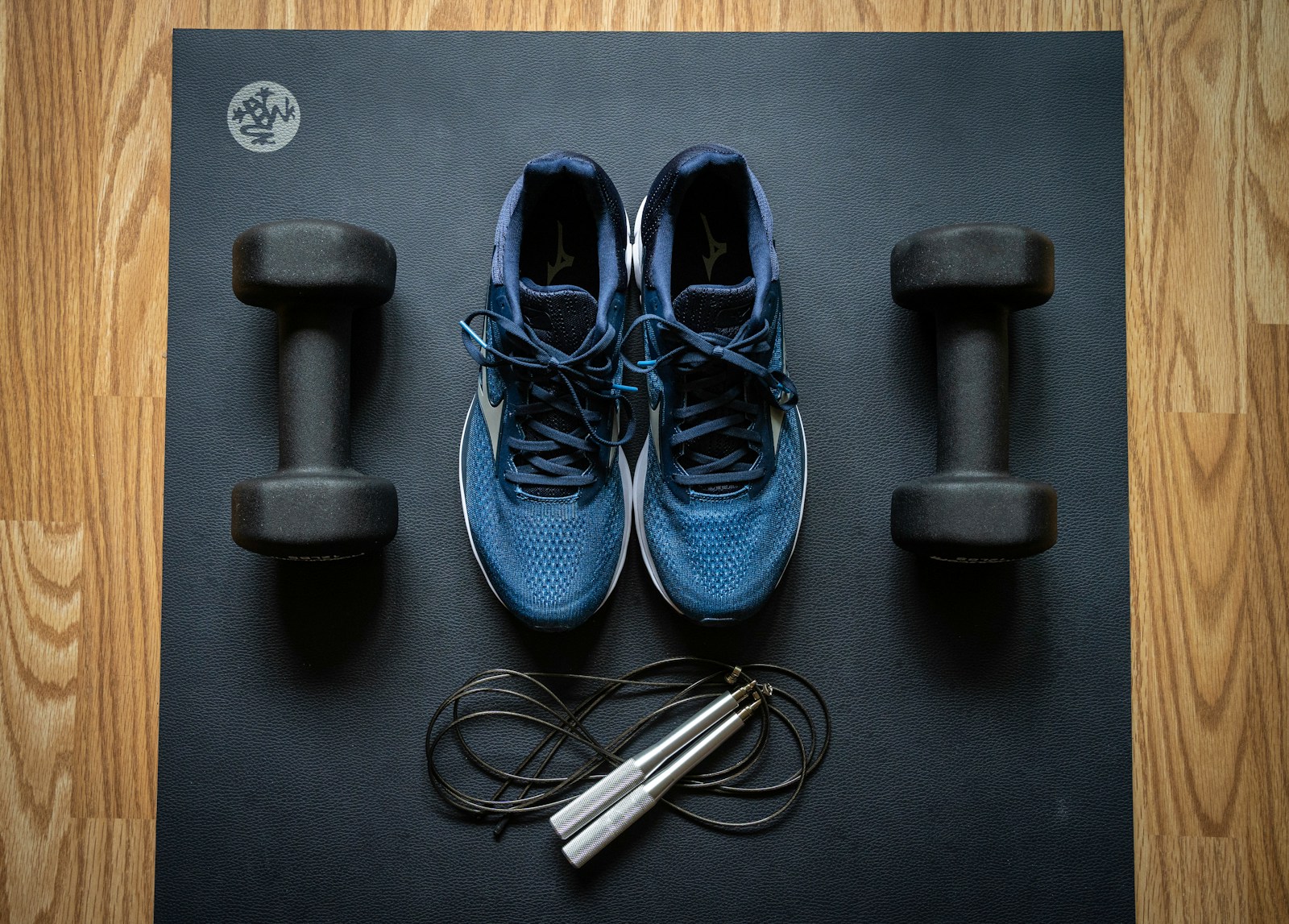
Invest in comfortable and supportive workout attire, including a well-fitted sports bra and supportive footwear. As your body changes during pregnancy, opt for breathable fabrics that provide flexibility and support to accommodate your growing belly.
7. Modify Your Routine as Needed
As your pregnancy progresses, you may need to modify your exercise routine. Listen to your body and make adjustments as necessary. Consider reducing the intensity, duration, or frequency of your workouts to match your energy levels and physical changes.
8. Incorporate Pelvic Floor Exercises
Include pelvic floor exercises, such as Kegels, in your workout routine to strengthen the muscles that support your bladder, uterus, and bowels. Strong pelvic floor muscles can help prevent urinary incontinence and support your body during labour and delivery.
9. Practice Safe Cooling Down
After exercising, remember to cool down gradually to prevent dizziness and help your heart rate return to normal. Finish your workout with gentle stretches that target the major muscle groups. This can also help reduce muscle soreness and improve flexibility.
10. Monitor Your Heart Rate
While exercising, aim to keep your heart rate within a safe range. A general guideline is to maintain a moderate intensity where you can talk comfortably during the workout. Avoid pushing yourself to exhaustion or overexertion.
Conclusion
Exercising during pregnancy offers numerous benefits for both you and your baby. By following these tips and listening to your body, you can stay active and healthy throughout this special time. Remember to prioritise safety, consult your healthcare provider, and make modifications as needed to ensure a safe and enjoyable workout routine.








Leave a Reply